If you’re selling a beach-area home in Pinellas County, a standard pre-listing checklist usually is not enough. Buyers often look beyond paint colors and curb appeal because flood risk, storm prep, permit history, and insurance details can shape both confidence and offers. The good news is that you do not need a massive remodel to make a strong impression. You need a smart plan that helps your home look well cared for and makes the paperwork side feel clear from day one. Let’s dive in.
Why beach-area homes need different prep
In Pinellas County, flood information is part of the selling conversation. The county states that everyone in Pinellas is in a flood zone, and it also separates flood zones, evacuation zones, and storm-surge maps because each one measures a different kind of risk.
That matters when you list a home near the beach. Buyers may ask about FEMA flood zones, evacuation levels, storm-surge exposure, and whether flood insurance may be required for a federally backed mortgage. In higher-risk A and V zones, Pinellas County notes that federally backed loans require flood insurance.
This is one reason beach-area sellers benefit from a more detailed prep plan. You are not just preparing a home to show well. You are also preparing to answer practical buyer questions quickly and clearly.
Start with exterior maintenance
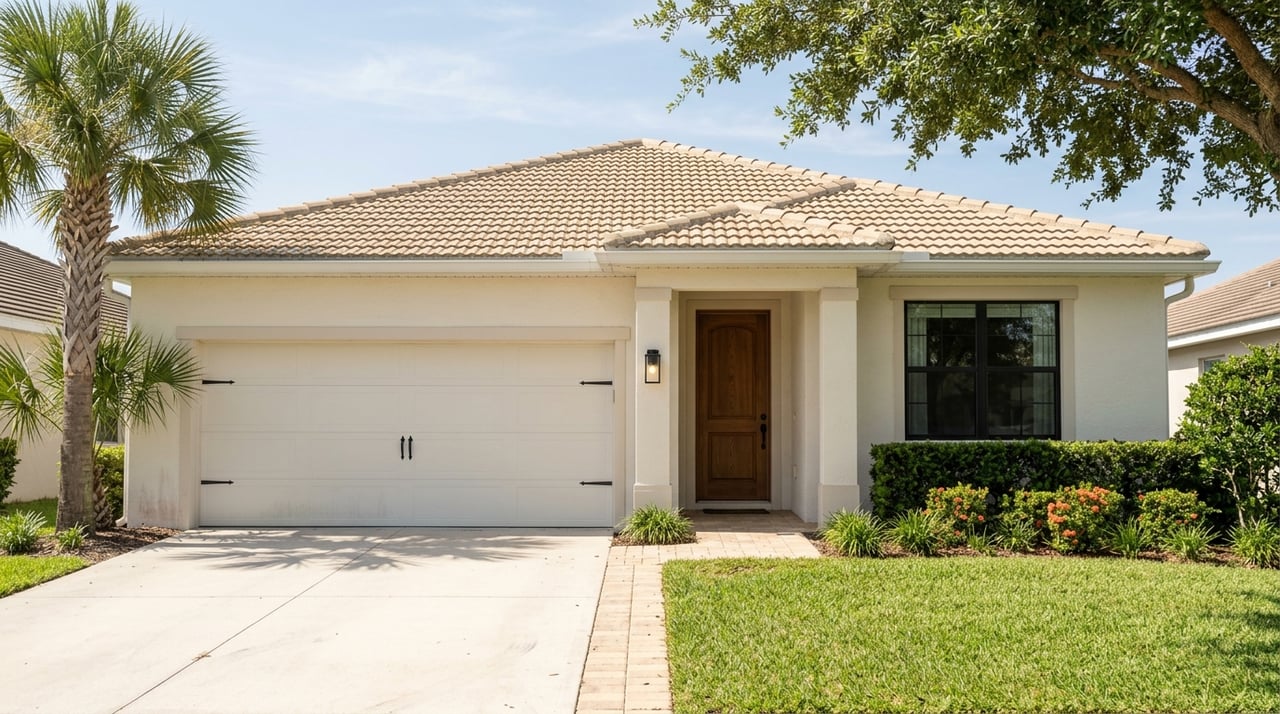
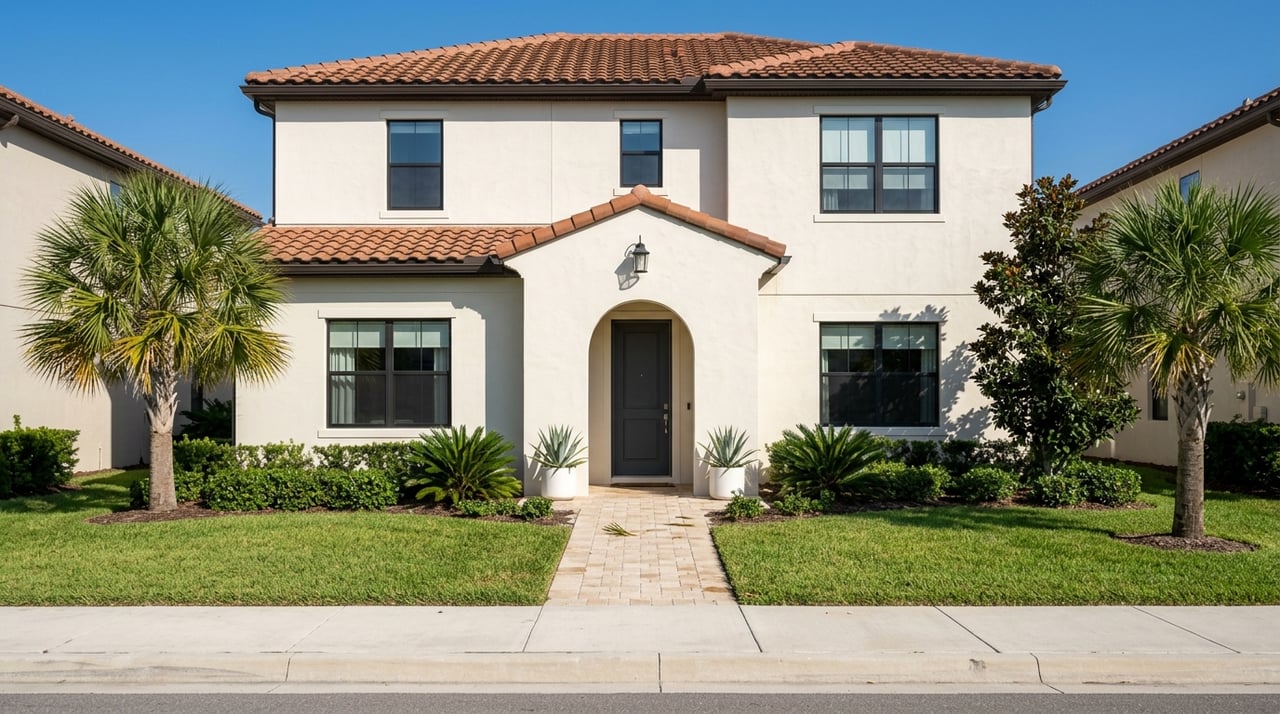
Before you think about staging, focus on the outside of the property. Pinellas County recommends regular inspection and maintenance, including clearing storm drains and gutters, repairing deteriorated shingles, and fixing patios, decks, sidewalks, and driveways where water may pool near the home.
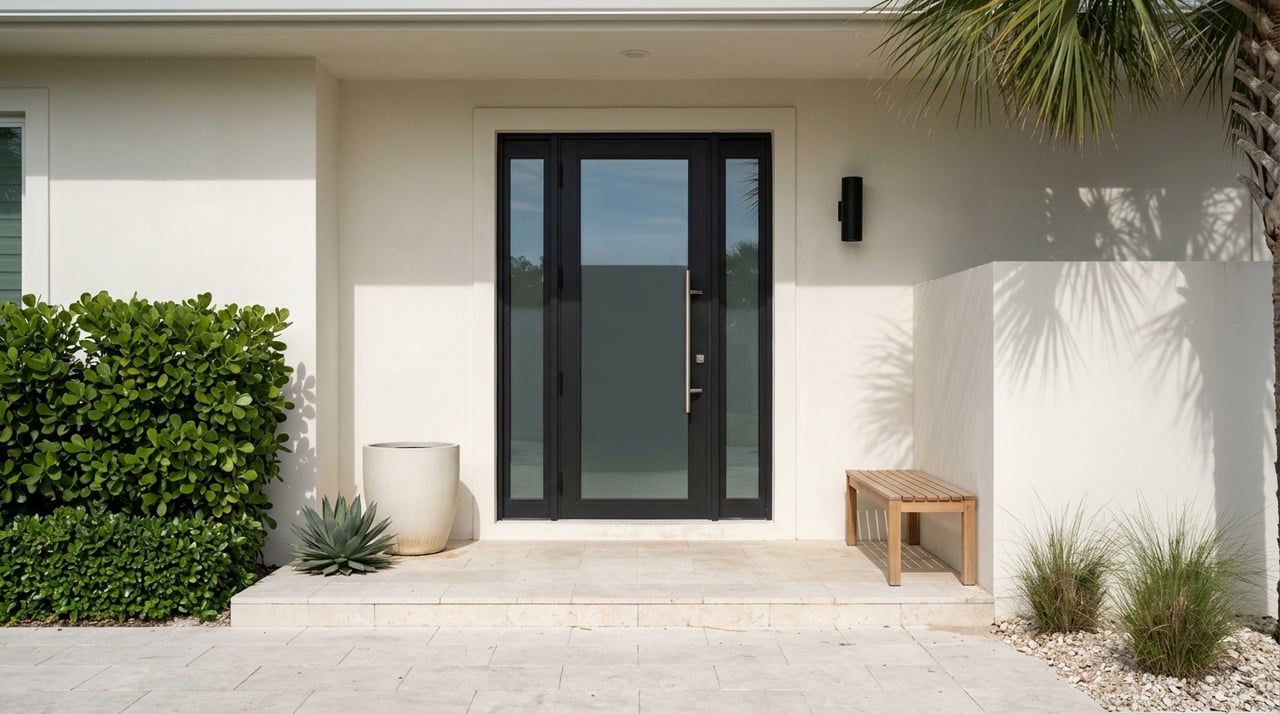
For a beach-area property, buyers often notice signs of wear right away. Salt air, humidity, and storms can make small issues feel larger, especially if metal looks rusted or surfaces appear weathered. A clean, maintained exterior helps your home feel cared for before anyone steps inside.
Exterior fixes worth doing first
A few targeted projects can go a long way:
- Pressure wash siding, walkways, patios, and entry areas
- Clear gutters and nearby drains
- Repair loose or deteriorated shingles where needed
- Re-caulk exterior gaps around windows and doors if they look worn
- Touch up paint where trim or siding shows wear
- Clean up rust or corrosion on visible metal surfaces
- Repair uneven patios, sidewalks, or driveways that may hold water
- Refresh landscaping so it looks tidy and intentional
Pinellas County also notes that drainage improvements and low-maintenance landscaping can help protect property. If your yard tends to hold water, this is worth addressing before photos and showings begin.
Time your prep with storm season in mind
If you want your selling process to feel smoother, timing matters. Because hurricane season runs from June 1 through November 30, it makes sense to front-load exterior maintenance, inspections, and document gathering before summer whenever possible.
That does not mean you cannot list during storm season. It simply means that getting ahead of small repairs and paperwork can reduce stress later. When a storm watch or heavy rain is in the forecast, buyers tend to notice drainage, roof condition, outdoor storage, and overall readiness more closely.
Refresh the inside without over-remodeling
Many sellers assume they need to renovate before listing a coastal home. In most cases, the better move is a reset, not a remodel. Deep cleaning, patching minor damage, touching up paint, and removing heavy or dated items can make a bigger difference than expensive updates.
According to the National Association of Realtors staging guidance cited in the research, staging is more about decluttering and styling than remodeling. Neutral paint colors, fewer personal items, and less bulky furniture can help rooms feel larger, lighter, and easier for buyers to picture as their own.
Interior updates with strong payoff
Focus on simple, high-visibility improvements:
- Deep clean floors, baseboards, kitchens, and baths
- Patch wall scuffs, dents, or nail holes
- Touch up paint in a neutral tone where needed
- Remove oversized furniture that blocks flow
- Pack away personal photos and highly specific decor
- Open window coverings to maximize natural light
- Simplify shelves, counters, and tabletops
The goal is not to erase character. The goal is to create a calm, clean backdrop that lets buyers focus on the home itself.
Create a light coastal feel
When staging a beach-area home in Pinellas County, think vacation-ready, not themed. A bright, airy look tends to work better than heavy nautical decor or bold beach motifs.
Use light textiles, clear sightlines, and a restrained coastal palette. Soft neutrals and fresh textures can help rooms feel open and relaxed without making the home look overly styled. Buyers generally respond well to spaces that feel easy, clean, and uncluttered.
Stage these rooms first
The research shows the highest-priority rooms for staging are:
- Living room
- Primary bedroom
- Dining room
- Kitchen
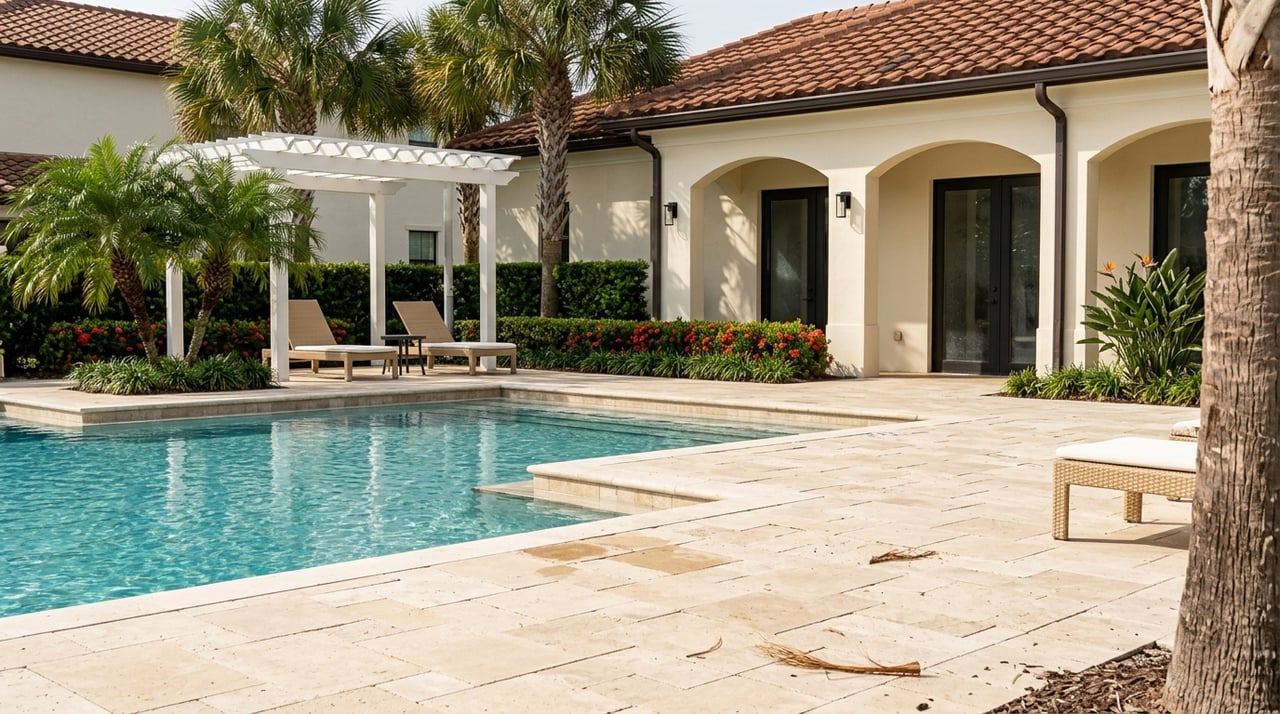
If you have time and budget for more, outdoor living areas also matter in beach markets. A neat patio, balcony, or backyard sitting area can reinforce the lifestyle buyers are often looking for.
According to NAR’s 2025 Profile of Home Staging, 83% of buyers’ agents said staging made it easier for buyers to visualize a property as a future home. The same report found that 29% of agents said staged homes brought a 1% to 10% increase in the dollar value offered.
Finish prep before photos and video
Listing media play a major role in how your home is perceived online. The research notes that buyers’ agents view photos, videos, and virtual tours as highly important, which makes your final cleaning and staging steps especially important before media day.
Do not schedule photography too early. If gutters still need cleaning, rust is still visible, or counters are still crowded, those details may stand out in every image. A well-prepped home usually looks more polished online and helps set stronger expectations before a showing even happens.
Build a buyer-ready document packet
For a Pinellas beach-area listing, your paperwork can be just as important as your presentation. A complete document packet helps buyers feel informed and can cut down on back-and-forth once interest picks up.
At a minimum, many coastal buyers will want clear information about flood risk, elevation, wind mitigation, and permit history. If you can gather these documents before going live, you are more likely to avoid last-minute surprises.
Documents to gather early
Here are the most useful items to collect before listing:
- Elevation certificate, if available
- Wind mitigation inspection form and supporting photos or documents
- Permit history for remodels, additions, or storm repairs
- Final inspection records for completed permitted work
- Basic flood-risk information, including flood zone and evacuation zone
- Any available details on coastal-barrier restrictions, if applicable
Pinellas County says an elevation certificate shows a building’s flood zone and elevation level and may help determine insurance rates. For some buyers, that single document can answer questions that would otherwise slow down a transaction.
Why elevation and insurance details matter
Flood insurance is a major topic for coastal and near-coastal homes. Pinellas County states that standard homeowners insurance generally does not cover flood damage, and that flood-insurance pricing is property-specific.
The county also notes that rates can depend on factors such as flood risk, elevation, foundation type, replacement cost, year built, and construction. That means buyers may want more than a simple yes or no answer about flood insurance. They may want documents that help an insurance agent evaluate the property accurately.
If your home is in a higher-risk flood area, having your elevation certificate and clear flood information ready can make these conversations much easier. It shows that you are prepared, transparent, and serious about helping a buyer understand the property.
Do not overlook wind mitigation
In Florida, wind-mitigation information can be another key part of the pre-listing package. The Florida Office of Insurance Regulation says the Uniform Mitigation Verification Inspection Form must be completed by an authorized inspector and is valid for up to five years if the structure has not materially changed.
The form also requires supporting documentation and photos for verified mitigation features. If you already have a current wind-mitigation file, keep it organized and easy to share. If not, this may be worth looking into before your home hits the market.
Verify permits before buyers ask
Permit questions come up often in coastal sales, especially if you have remodeled, repaired storm damage, added exterior features, or updated major systems. Pinellas County says permits are required for new construction, additions, remodeling, demolition, or work over $500 in county jurisdiction, and all permitted building and construction projects require inspection.
It is smart to verify your property’s jurisdiction early. The county’s BDRS office serves unincorporated Pinellas County and several beach-area municipalities, while other properties fall under a city building department. Knowing where your records are located can save time once a buyer starts asking for details.
Make flood information easy to understand
One of the best ways to build buyer trust is to explain flood-related information in plain English. Pinellas County’s real-estate flood-disclosure program is a reminder that this is not an optional side topic in local sales.
If possible, be ready to share:
- The property’s flood zone
- The evacuation zone
- Whether flood insurance may be required for certain financing
- Whether any Coastal Barrier Resources System rules may apply
You do not need to overwhelm buyers with technical language. You just want to be ready with clear, accurate information that helps them evaluate the home with confidence.
Keep your prep story simple
For most beach-area sellers in Pinellas County, the strongest strategy is not a luxury renovation spree. It is a clean-maintenance story backed by solid documents and finished with light, thoughtful staging.
That means showing buyers two things at once. First, the home looks cared for and easy to enjoy. Second, the important flood, wind, and permit details are organized and ready.
When those pieces come together, your listing feels more credible from the start. That can help buyers move from interest to action with fewer concerns along the way.
If you want a clear plan for what to fix, what to skip, and how to position your Pinellas County beach-area home before it hits the market, REvest Home Group can help you schedule a free consultation and home valuation.
FAQs
What should you fix before selling a beach-area home in Pinellas County?
- Focus first on maintenance and presentation items that buyers notice quickly, such as gutters, drains, shingles, rust, worn paint, water-pooling surfaces, deep cleaning, minor wall repairs, and decluttering.
What documents matter most for a coastal home sale in Pinellas County?
- The most common buyer questions involve the elevation certificate, wind-mitigation documents, permit history, final inspections, flood zone, evacuation zone, and any coastal-barrier restrictions that may apply.
Why do flood zones matter when selling a home in Pinellas County?
- Pinellas County states that everyone in the county is in a flood zone, and buyers may need to understand FEMA flood zones, evacuation zones, storm-surge risk, and whether flood insurance could be required for certain financing.
Should you stage a beach-area home before listing it in Pinellas County?
- Yes, light staging can help buyers picture the home more easily, especially in the living room, primary bedroom, dining room, and kitchen, where staging tends to have the most impact.
When should you start preparing a Pinellas County beach-area home for sale?
- Starting early is helpful, especially before hurricane season, so you have time to handle exterior maintenance, gather documents, and complete staging before photography and showings begin.