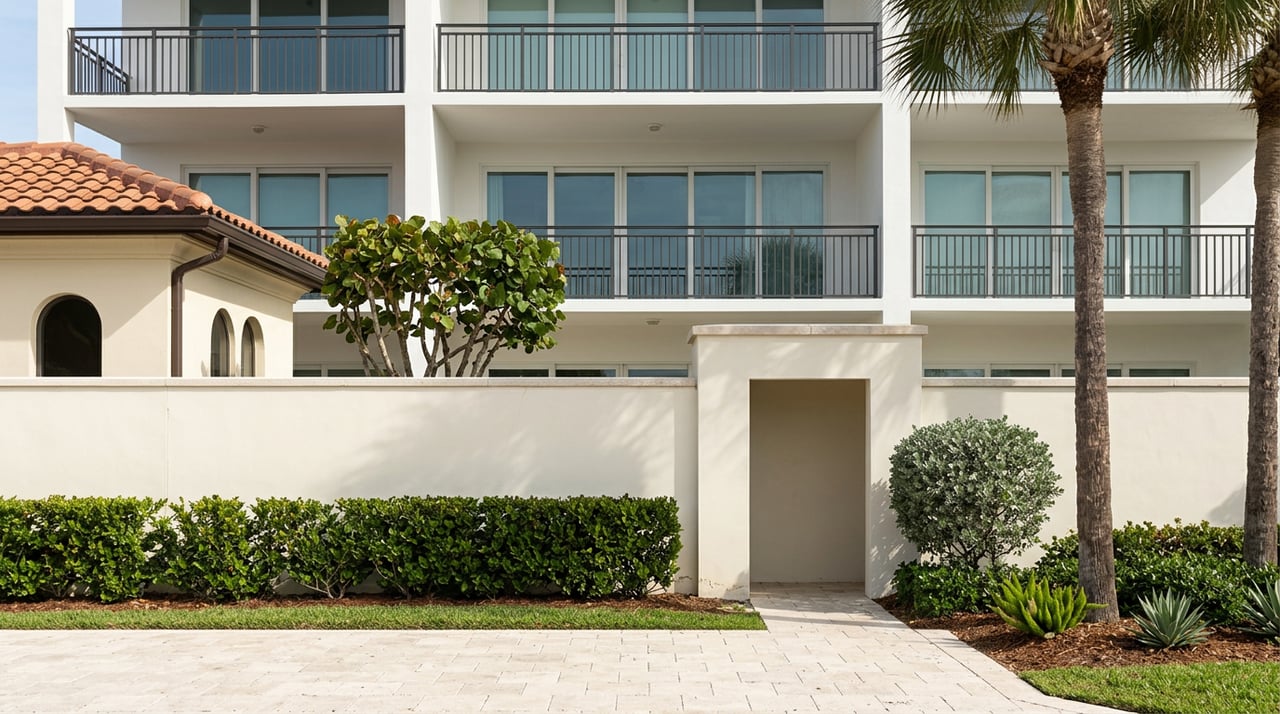
Is a condo near the beach or a single-family home with a yard the better fit for your Pinellas lifestyle? With prices, fees, insurance, and flood risk all in the mix, it can feel hard to compare apples to apples. You want a clear path to the right choice for your budget and day-to-day routine. In this guide, you’ll see how condo and single-family living stack up in Pinellas County, from purchase price and monthly costs to building rules, flood exposure, and short-term rental limits. Let’s dive in.
Quick comparison: Pinellas realities
Use this side-by-side to frame your decision. Numbers are county-level anchors and vary by neighborhood and building.
| Factor | Condo | Single-family |
|---|---|---|
| Purchase price | County condo listings often start lower than houses. Recent listing data shows many entry options in the low-to-mid $100Ks to $300Ks, with luxury and waterfront much higher. | County median closed price was about $450,000 (Dec 2025), with beach and downtown homes well above that. Florida Realtors December 2025 county report |
| Monthly fees | Association fees vary widely, from a few hundred dollars to $1,000+ in amenity-rich or waterfront buildings. | Usually no monthly HOA fee unless in a deed-restricted community. |
| Insurance | You carry an HO-6 policy for interior items; the association insures the building and common areas under the master policy. See the Florida Condominium Act, Section 718.111. | You carry a full homeowners policy that covers the dwelling and other structures. Premiums in Florida can be higher than many states; see Florida Office of Insurance Regulation market data. |
| Maintenance | Exterior, roof, and amenities handled by the association; you handle interior and items excluded by the master policy. | You handle all maintenance: roof, yard, exterior, pool, and seawall if applicable. |
| Privacy | Shared walls and common areas; less control over noise and traffic. | No shared walls; more control over space, pets, and parking, subject to any HOA rules. |
| Flood exposure | Varies by building and elevation. Many coastal condos are in flood zones; confirm coverage, deductibles, and elevation. | Varies by address and elevation; flood insurance can be a key budget item for beach or waterfront homes. |
| Rental flexibility | Strongly governed by association rules and city or county ordinances. | Often more flexible, but still subject to zoning, city/county rules, and any HOA. |
What you will pay: upfront and monthly
Price is your starting point, but total cost of ownership includes closing costs, monthly fees, insurance, and taxes.
- Purchase and closing costs. As a buyer, you can expect typical closing costs in the 2 to 5 percent range of the purchase price. Your lender and title company will provide a detailed estimate with your offer.
- HOA or condo fees. Condo fees can cover exterior maintenance, reserves, amenities, landscaping, some utilities, and the building’s master insurance. Read the budget and financials to see exactly what is included, and how reserves are funded. In single-family neighborhoods with an HOA, fees are usually lower but still fund shared amenities or maintenance.
- Insurance. In a condominium, the association insures the structure and common elements. Unit owners carry an HO-6 policy and may be responsible for some deductibles or special assessments tied to building damage, per the Florida Condominium Act, Section 718.111. Single-family owners carry a full homeowners policy and should plan for windstorm or hurricane deductibles. For statewide market context, use Florida Office of Insurance Regulation market data.
- Property taxes. Both condos and single-family homes are handled under the same Pinellas tax system. If the property is your primary residence, you can apply for homestead benefits and assessed-value protections through the Pinellas County Property Appraiser.
Maintenance and responsibility
Ownership looks different in each property type.
- Condos. The association manages and maintains the common elements and funds those costs through dues and assessments. You are typically responsible for interior finishes and anything excluded by the master policy. These duties are outlined in the Florida Condominium Act, Section 718.111.
- Single-family homes. You handle everything inside and out unless your home sits in an HOA that covers specific exterior items. Budget for roof, HVAC, landscaping, pool care, pest control, and seawall maintenance if you are on the water.
Building rules, reserves, and special assessments
Florida updated its safety and reserve requirements for condos after Surfside. Many mid- and high-rise buildings in Pinellas, especially along the beaches and in downtown St. Petersburg, were built in the 1960s to 1980s. That age means inspection and capital planning matter.
- Milestone inspections and reserves. Buildings that meet statutory thresholds must complete structural milestone inspections at defined ages and maintain reserves for key elements. These rules have led to higher dues or one-time assessments in some buildings. Review the law’s framework in Florida’s milestone inspection and reserve rules and this overview of Florida’s condo law changes.
- What to request. Ask for the Structural Integrity Reserve Study (SIRS), any milestone inspection reports, the current budget and reserve balances, and recent board minutes that discuss repairs or assessments. Confirm how the association allocates deductibles and special assessments under 718.111, and review estoppel certificate requirements in 718.116 for amounts owed and known assessments.
Flood and coastal exposure
Pinellas County has significant coastal exposure and low-lying areas. A National Academies summary notes that roughly a third of county land falls within the 100-year floodplain. That affects insurance, building codes, and long-term planning.
- Check the map early. Use the Pinellas County flood maps to confirm flood zone, elevation, and storm surge risk at the address level.
- Budget impact. Flood insurance can be required by your lender and can vary widely by elevation, construction type, and mitigation features. For homes on the Intracoastal or Gulf, factor in seawall condition and potential capital costs.
Lifestyle and location tradeoffs
- Condo lifestyle. You trade some privacy for convenience and amenities. Many Pinellas condos offer pools, gyms, secured entries, and low day-to-day upkeep. If you want walkable access to dining, arts, and the waterfront, a condo in downtown St. Petersburg or on the barrier islands may fit your routine.
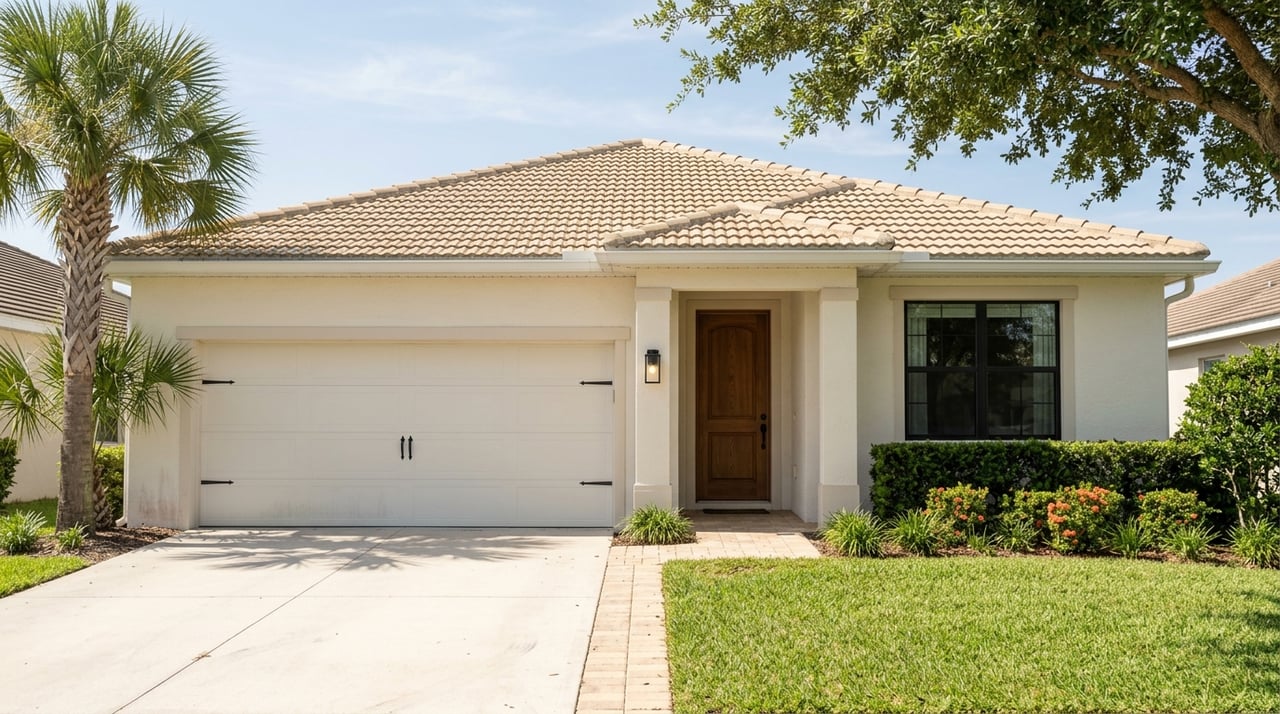
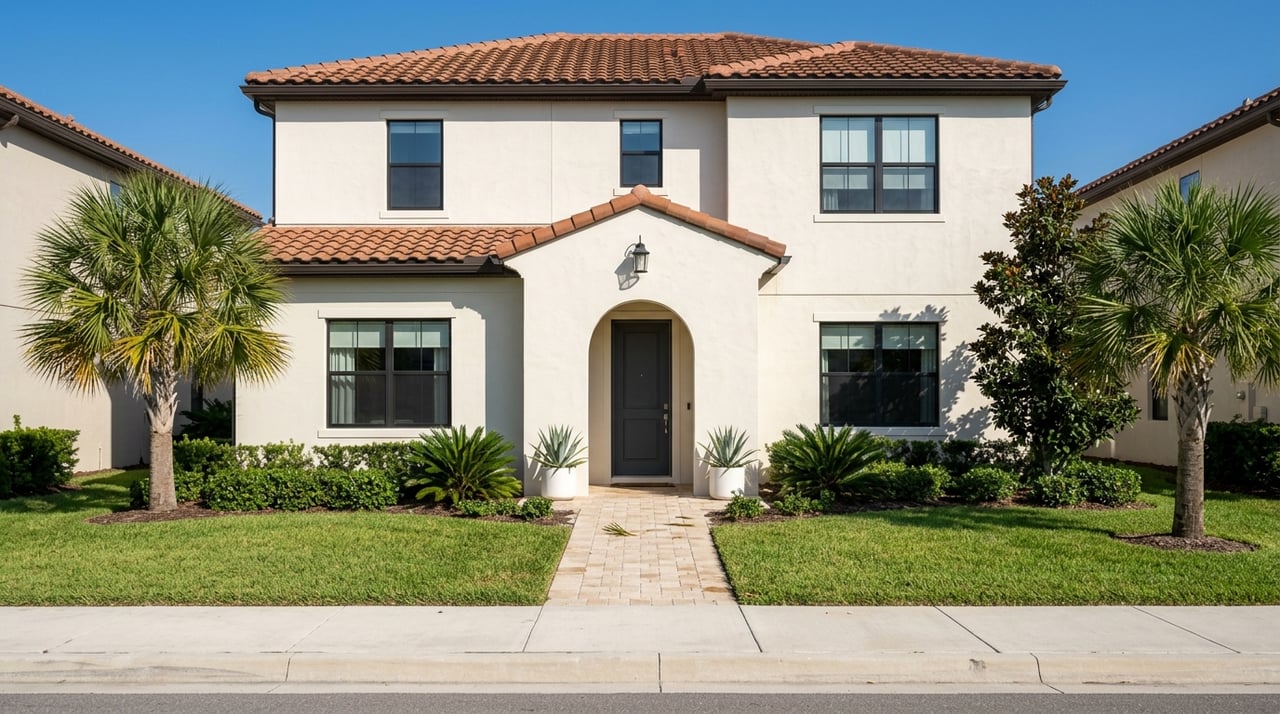
- Single-family lifestyle. You gain a yard, garage, and more freedom to tinker with your space. If you value quiet, hobbies that need room, or future expansion, a house often delivers the control you want. Expect more time and budget for exterior care.
Short-term rentals in Pinellas
Short-term rental rules vary by jurisdiction and by building.
- City of St. Petersburg. Many residential zones limit rentals to 30 days or longer. If you plan to furnish and rent on a nightly basis, confirm zoning and local code before you buy.
- Unincorporated Pinellas and beach cities. The county runs a Certificate-of-Use program that includes an application, inspection, occupancy and parking standards, and renewals. Many buildings add their own restrictions. Start with this short-term rental guidance for Pinellas jurisdictions and verify the exact address is in a zone that permits your plan.
Due-diligence checklist
Bring this list to your showings and contract reviews.
For condo buyers
- Request the current budget, recent financials and bank statements, the SIRS, any milestone inspection reports, and board minutes from the last 12 to 24 months.
- Review the master insurance summary and deductibles. Confirm what your HO-6 policy must cover under the Florida Condominium Act, Section 718.111.
- Order an estoppel certificate and check for unpaid assessments, delinquent owners, and planned projects. See 718.116 estoppel requirements.
- Read leasing, renovation, and pet rules. Confirm minimum lease terms and whether short-term rentals are allowed.
For single-family buyers
- Pull the FEMA flood zone and elevation, then get flood insurance quotes early using the Pinellas County flood maps.
- Price large items during inspections: roof, HVAC, pool equipment, seawall if waterfront, and any four-point issues your insurer will flag.
- If the home is in an HOA, request the budget, reserve status, rules, and any pending assessments.
For both property types
- Get firm insurance quotes that reflect the building’s age, roof condition, and wind mitigation. For market context, see Florida Office of Insurance Regulation market data.
- Verify property taxes and potential homestead benefits with the Pinellas County Property Appraiser.
- If you want rental income, confirm city or county rules and any association limits before you write an offer. Start with the short-term rental guidance for Pinellas jurisdictions.
Which fit is right for you
Choose a condo if you want lower day-to-day maintenance, amenities, and a lock-and-leave setup, and you are comfortable with association rules and fees. It can also be a cost-effective way to access downtown or waterfront locations.
Choose a single-family home if you want privacy, a yard, room to personalize, and more control over pets and parking. Expect higher hands-on maintenance and potentially higher insurance, especially for older or coastal homes.
Get local guidance you can trust
Every address and building tells a different story in Pinellas. If you want a side-by-side estimate of monthly costs, insurance scenarios, flood exposure, and rental options for homes or condos you like, let’s talk. Schedule your consultation with the team at REvest Home Group and get a clear plan for your next move.
FAQs
What is the current price gap between condos and houses in Pinellas?
- County single-family closings showed a median of about $450,000 in Dec 2025, while many condo listings trend lower, often around the high $200Ks for entry options; see the Florida Realtors December 2025 county report for single-family data.
What do condo fees usually cover in Pinellas County?
- Fees commonly fund exterior maintenance, reserves, building insurance, amenities, landscaping, and sometimes utilities, with exact coverage defined in each association’s budget and the Florida Condominium Act, Section 718.111.
How do Florida’s post-Surfside condo rules affect buyers?
- Buildings may need milestone structural inspections and dedicated reserves for key components, which can raise dues or trigger special assessments; review Florida’s milestone inspection and reserve rules and this overview of Florida’s condo law changes before you buy.
How does flood risk impact ownership costs in Pinellas?
- A significant share of the county lies in the 100-year floodplain, which can affect insurance and long-term planning; check the National Academies summary and use the Pinellas County flood maps for address-level details.
Are short-term rentals allowed in St. Petersburg condos?
- Many residential zones in St. Petersburg require 30-day minimums and many associations add their own limits, so confirm zoning and building bylaws first; start with this short-term rental guidance for Pinellas jurisdictions.