Dreaming about life on the water in Pasco County? It can be a great fit, but waterfront living here is not one single lifestyle. You might picture a sandy shoreline, yet many Pasco properties are shaped more by rivers, marshes, mangroves, bayous, and lakefront settings than by broad beach frontage. If you are thinking about buying or selling a waterfront home in this area, understanding how Pasco’s waterfront actually works can help you make a smarter move. Let’s dive in.
Pasco County waterfront is more varied than many buyers expect
Pasco County has about 20 miles of shoreline, but only about 4 miles of beaches on its barrier island. Much of the shoreline is made up of seagrass, salt marsh, and bayous, which gives the county a very different feel from places known mainly for wide, sandy beaches.
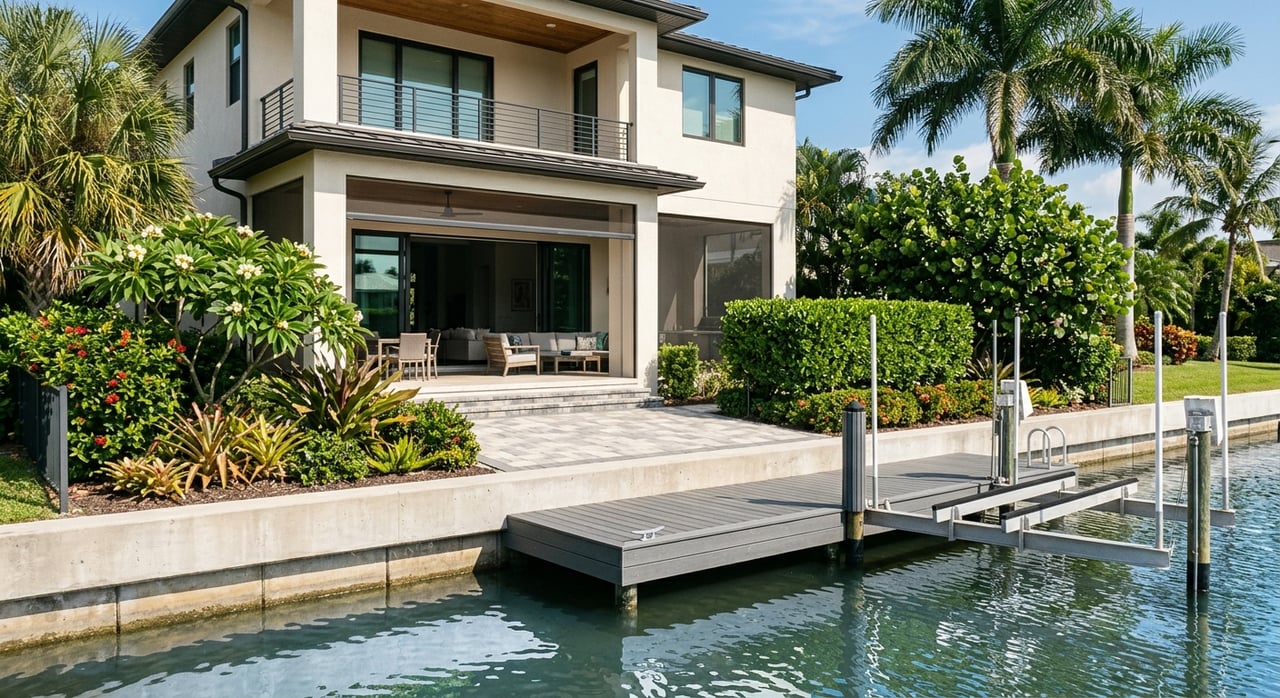
That matters because a “waterfront home” in Pasco can mean several different things. Your property could be near an estuary, on a river, along a canal with boat access, or on a lakefront lot. In other words, the lifestyle depends heavily on the specific water feature, not just the word “waterfront” in the listing.
The county’s overall water network is extensive. Pasco identifies major waterways including the Withlacoochee, Hillsborough, Pithlachascotee, and Anclote Rivers, and it also notes more than 5,000 lakes, ponds, retention ponds, and other water features, including 184 named lakes.
Waterfront living can mean coast, river, or lake
Pasco County’s blueways master plan highlights 16 public blueway launch points and describes both coastal and inland routes. Coastal paddling and boating areas include Werner-Boyce, Anclote Key, and the Nature Coast paddling area, while inland routes include the Anclote, Pithlachascotee, and Withlacoochee rivers.
For you as a buyer, that means location research is everything. One property may offer a calm riverfront setting for paddling, while another may be better suited to boating access or day trips toward the Gulf. A lakefront home, on the other hand, may offer a quieter setting with a different rhythm of daily use.
If you are selling, this is also why accurate positioning matters. Buyers respond better when a listing clearly explains the type of waterfront experience the property offers, rather than relying on a generic waterfront label.
Everyday water life in Pasco is often nature-focused
One of the most important things to know about Pasco County waterfront living is that it often feels more natural and low-key than resort-like. The local water experience is frequently tied to kayaking, shallow-water boating, fishing, wildlife viewing, and access to preserves and parks.
Werner-Boyce Salt Springs State Park is a good example. The park offers kayak and canoe launching through mangroves, tidal creeks, and salt marshes, and it notes that there is no beach or swimming area because of the mangrove shoreline.
Anclote Key Preserve State Park offers a very different experience. It is accessible only by private boat or ferry and has more than 7 miles of undeveloped white sand beaches, along with fishing, shelling, snorkeling, and primitive camping. The park also notes there are no provisions on the island, so visitors need to bring supplies.
This contrast shows why two Pasco waterfront homes can feel completely different in daily life. One address may be ideal if you want peaceful paddling and estuary views, while another may work better if you want easier access to beach outings and open water.
Boating access is practical, not automatic
If boating is part of your plan, do not assume every waterfront home offers the same convenience. The county’s coastal environment often involves shallow-water navigation, and access to broader open water may take more planning than buyers first expect.
Anclote River Park in Holiday gives a helpful look at local boating culture. It includes a paved ramp, docks, restrooms, and parking, and Pasco residents can purchase a yearly boat-launch permit at the Holiday Recreation Complex.
There is also a practical side to routine boating here. Florida Fish and Wildlife Conservation Commission notes that ramp closures for weather, events, or repairs may not always appear in real time, so launch planning can become part of regular waterfront life.
Before you buy, it helps to think beyond the view. Ask how easily you can launch, how long it takes to reach your preferred boating area, and whether the type of water near the property matches how you actually want to spend your weekends.
The lot often matters more than the photos
With waterfront property, the home is only part of the equation. In Pasco County, the lot itself often tells the bigger story.
The county’s residential permit checklist requires flood-zone identification, a flood affidavit for property in a flood zone, drainage plans, and setback checks for wetlands, flood-zone lines, and the mean high water line on waterfront properties. County planning language also references a 50-foot setback from the mean annual flood line on certain rivers.
For you, that can affect how much of the yard is truly usable. A backyard that looks large in listing photos may have limits on where you can place a pool, build an addition, add hardscaping, or make future exterior changes.
That is why due diligence on a waterfront lot should go deeper than appearance. Survey details, setback lines, drainage, and flood-related constraints can shape both your current enjoyment and your long-term plans.
Utilities and septic need a close review
Scenic waterfront living can come with utility details that are easy to overlook. In Pasco County, water service may be provided by the county, a municipality, or a private provider, depending on the property.
Wastewater is another key item. The Florida Department of Health in Pasco County handles septic and onsite sewage treatment and disposal system permitting and inspections, so buyers should confirm whether a home is connected to public sewer or relies on septic.
This is not a small detail. Utility setup affects maintenance, future planning, and sometimes the pace and scope of property improvements. Before closing on a waterfront home, it is wise to verify who provides the service and what type of wastewater system is in place.
Flood zones and evacuation planning are part of ownership
Flood risk is one of the biggest realities of waterfront ownership in Pasco County. FEMA identifies the official place to check flood maps through its Flood Map Service Center, and high-risk zones begin with A or V.
It is also important not to assume inland means no real flood concern. FEMA notes that about one in three flood claims comes from low- or moderate-risk zones, which is a useful reminder for buyers considering riverfront, lakefront, or other inland water properties.
Pasco County also provides an evacuation finder that allows residents to search an address by evacuation zones A through E. For a buyer, this can be a very practical part of comparing homes because the property’s evacuation zone may influence how you prepare for hurricane season and how you feel about year-round convenience.
HOA rules can shape waterfront improvements
If your waterfront home is in a homeowners association, review the documents carefully before you make plans. Florida Chapter 720 covers key areas such as association powers, records, budgets, assessments, liens, member obligations, and architectural control.
For waterfront owners, this can affect more than paint colors or landscaping. It may also influence exterior modifications, timing for approvals, and your budget for dues or special assessments.
Storm-related upgrades may also fall under association review. Florida Statute 720.3035 recognizes hurricane-protection products such as impact-resistant windows and doors, shutters, reinforced garage doors, exterior fixed generators, fuel storage tanks, and erosion controls when HOA review authority exists in the governing documents.
That means the features that can make waterfront living easier may still need approval first. If you are buying in an HOA community, be sure the rules align with how you want to maintain and protect the home.
Boating and fishing rules affect day-to-day use
Owning near the water is one thing. Using the water confidently and legally is another.
Florida Fish and Wildlife Conservation Commission says that anyone born on or after January 1, 1988, who operates a vessel powered by 10 horsepower or more must complete an approved boating safety course and carry the Boating Safety Education ID card. Recreational vessels must also carry the required safety equipment based on vessel size.
Fishing rules matter too. A Florida saltwater fishing license is required to take or attempt to take saltwater species, while residents who only fish from shore or an attached structure may qualify for a no-cost shoreline license that does not cover fishing from a boat.
In some areas, manatee protection zones can also restrict speed or entry. So if your ideal waterfront life includes boating or fishing, it helps to learn the local operating rules early rather than after closing.
What to ask before buying waterfront in Pasco County
A waterfront purchase usually goes more smoothly when you ask focused questions upfront. Here are a few smart ones to keep on your list:
- What type of waterfront is it: estuary, river, canal, lake, or near-beach access?
- Is the property in a FEMA flood zone, and what evacuation zone is it in?
- Are there wetlands, setback limits, or mean high water line restrictions affecting the lot?
- Is the home on public sewer or septic?
- Who provides water service: county, city, or private provider?
- Is the property in an HOA, and what exterior changes require approval?
- If boating matters to you, how practical is launch access and navigation for your vessel type?
- If fishing is part of your lifestyle, what licensing or local boating rules apply?
These questions can help you compare properties more realistically and avoid surprises after move-in.
Why local guidance matters with waterfront homes
Waterfront homes often look simple online. In reality, they can involve more moving parts than a typical residential purchase.
In Pasco County, the right fit depends on much more than the view. You need to understand the kind of shoreline, the lot limitations, the flood and evacuation context, the utility setup, and any association rules that may affect your plans.
That is where local, property-specific guidance makes a real difference. When you understand how a waterfront home functions day to day, you can buy with more confidence or position your home more effectively when it is time to sell.
If you are thinking about buying or selling a waterfront home in Pasco County, REvest Home Group can help you sort through the details, compare options, and move forward with clear local insight.
FAQs
What does waterfront living in Pasco County usually look like?
- In Pasco County, waterfront living often means estuary, river, canal, or lakefront access rather than long stretches of sandy beach, so the lifestyle can range from paddling and wildlife viewing to boating and island trips.
What should buyers check about flood risk for Pasco County waterfront homes?
- Buyers should check the property’s FEMA flood zone, review whether it falls in a high-risk zone beginning with A or V, and look up the county evacuation zone to better understand storm planning.
What property restrictions can affect a waterfront lot in Pasco County?
- Waterfront lots in Pasco County may be affected by wetlands, drainage requirements, flood-zone lines, setback rules, and the mean high water line, which can limit future additions or yard improvements.
What utilities should buyers confirm for waterfront homes in Pasco County?
- Buyers should confirm whether the home uses public sewer or septic and whether water service comes from the county, a municipality, or a private provider.
What HOA issues matter for Pasco County waterfront homes?
- If the home is in an HOA, buyers should review rules on architectural changes, dues, assessments, and approval requirements for storm-protection features like shutters, impact windows, or generators.
What boating rules apply to waterfront living in Pasco County?
- In Pasco County, boaters may need a Boating Safety Education ID card depending on age and vessel power, and all recreational vessels must carry the required safety equipment.
What fishing rules should waterfront homeowners know in Pasco County?
- Waterfront homeowners should know that a Florida saltwater fishing license is generally required for saltwater species, while some residents fishing only from shore or an attached structure may qualify for a no-cost shoreline license.
What makes one Pasco County waterfront home different from another?
- The experience can vary widely based on whether the property offers mangrove-lined paddling, river access, shallow-water boating, lakefront living, or access to boat-only destinations like Anclote Key.