If you picture waterfront condo life in Pinellas County as one long beach vacation, you are only seeing part of the story. The real experience is a blend of beautiful views, HOA rules, seasonal energy, and everyday logistics that can shape how comfortable your home feels year-round. If you are thinking about buying on the water, this guide will help you understand what daily life is really like so you can choose a condo and community that fit you well. Let’s dive in.
Waterfront lifestyle depends on location
Waterfront condo living in Pinellas County is not one-size-fits-all. This 280-square-mile peninsula sits between the Gulf and Tampa Bay, with a large full-time population and a tourism economy that brings in millions of visitors each year. That means your day-to-day experience can feel very different depending on which beach or waterfront area you choose.
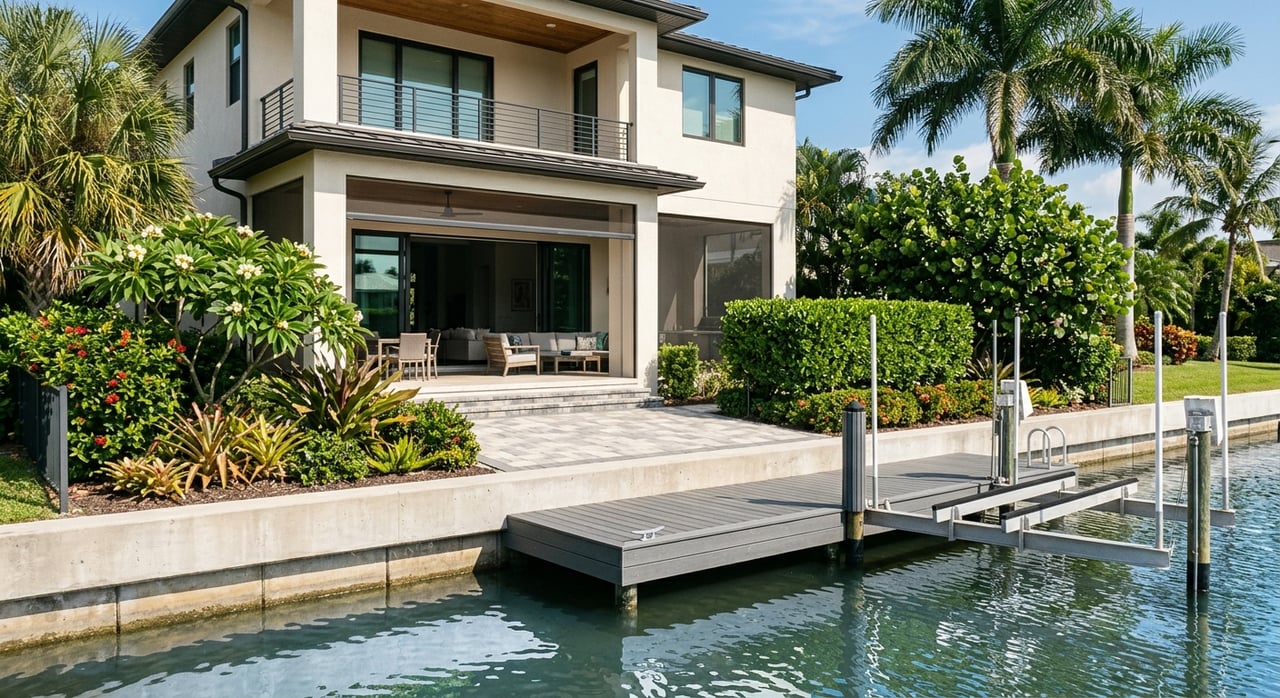
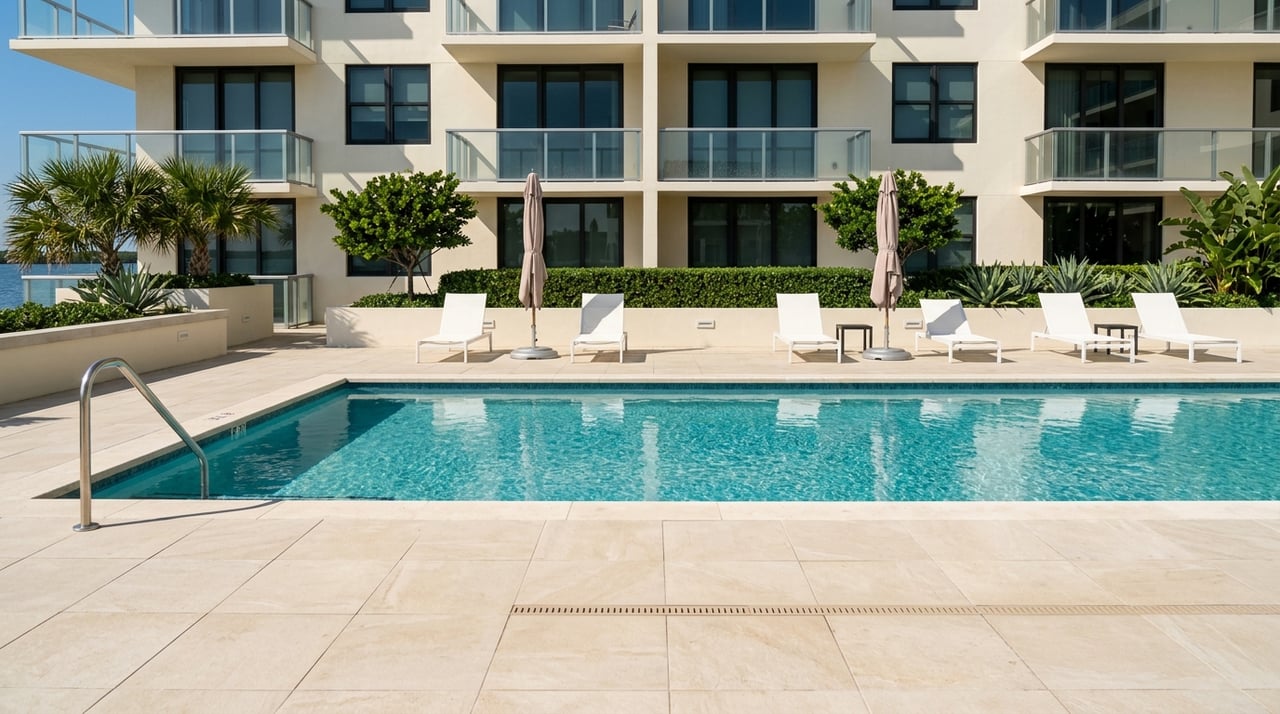
Some buildings open up to Gulf sunsets, marina views, boardwalk activity, or wide beach panoramas. Those views are a major reason buyers are drawn to waterfront condos here. But the feel on the ground matters just as much as the view from your balcony.
Clearwater Beach feels most resort-like
Clearwater Beach often feels the most like a destination. It is open around the clock, has year-round lifeguards, multiple beach access points, public lots and garages, and a strong lineup of watersports like parasailing, jet skiing, and paddleboarding. If you want a lively, active setting with lots happening around you, this area may match your style.
That same energy can also mean more traffic, more visitors, and more parking pressure. A condo here may feel exciting and convenient, but it can also feel busier than some buyers expect. If you love movement and activity, that may be a plus rather than a drawback.
St. Pete Beach has a lively beach-town feel
St. Pete Beach offers wide sand, watersports, beach bars, rooftop bars, and public parking options along Gulf Boulevard and near access points. The vibe is social and active, with a classic beach-town atmosphere that blends residential life with a steady visitor presence.
If you want to be near dining, beach activity, and a little nightlife, this area can be a strong fit. If you prefer a quieter setting, you may want to compare specific parts of St. Pete Beach carefully. Even within the same city, the rhythm can change block by block.
Treasure Island feels more laid-back
Treasure Island is known for over three miles of beachfront, shallow calm water, a pedestrian walkway, and strong sunset views. In many areas, it feels more relaxed than the busiest resort corridors. That lower-key atmosphere can appeal to buyers who want the water without quite as much noise and bustle.
Still, convenience matters here too. Paid parking is common, and popular areas can fill quickly. If you expect regular guests, those details are worth paying close attention to before you buy.
Indian Rocks Beach and Indian Shores feel more residential
Indian Rocks Beach and Indian Shores often read as quieter and more residential than some of the larger beach destinations. These areas include many condominiums, smaller hotels, dozens of beach access points, nearby parking, gentle surf, and conditions that are popular for shell hunting.
For many buyers, this is the version of waterfront living that feels easiest to settle into. You still get the beach and coastal setting, but the overall pace can feel calmer. If you want a condo that feels more like home and less like a resort, these communities are worth a close look.
Madeira Beach adds marina energy
Madeira Beach brings in more of a marina-and-boardwalk atmosphere. John’s Pass is a major hub for boutique shopping, waterfront dining, bars, fishing charters, and boat tours. That gives the area a fun, active feel that blends beach living with boating and visitor activity.
For some buyers, that mix is ideal. For others, it can feel busier than expected during popular times of year. This is why matching your lifestyle to the area matters just as much as finding the right floor plan.
HOA life shapes daily ownership
One of the biggest adjustments in waterfront condo living is understanding how much the homeowners association affects your day-to-day experience. In Florida, the condominium association runs the condo, and the recorded declaration and bylaws help control how the building operates. As an owner, you can also inspect association records, which is important when you want to understand budgets, repairs, and rule changes.
That level of structure can be helpful, especially in larger waterfront buildings where shared systems and exterior maintenance matter. But it also means condo ownership usually comes with more rules than a single-family home. If you value flexibility, you need to know where the guardrails are before you commit.
Exterior rules can be more detailed
Florida law gives condo boards authority over common elements and allows them to adopt hurricane protection specifications and manage exterior standards. In practical terms, that can affect balconies, shutters, windows, and other shared exterior features. So even when you own your unit, the building may control more of the outside appearance than you expect.
This is especially important in waterfront buildings, where weather exposure and storm readiness are part of normal ownership. A well-run association can help protect the building over time. But buyers should still read the condo documents carefully to understand what is allowed and what is not.
Dues are only part of the math
Monthly condo dues often cover routine maintenance and shared expenses, but they are not the whole financial picture. Florida law says owners are liable for assessments when they come due, and special assessments can be levied for specific purposes stated in the written notice. That means major repairs or building upgrades can increase your costs beyond your regular monthly payment.
Waterfront condo living can feel lower-maintenance day to day because you are not caring for a yard or exterior structure on your own. But the tradeoff is shared financial responsibility through the association. Buyers should look beyond the monthly fee and ask what future obligations may be on the horizon.
Reserve studies and inspections matter
Recent condo safety rules have made building condition an even bigger part of the buying process. According to Florida DBPR, milestone inspections are structural inspections, and structural integrity reserve studies cover major components such as the roof, structural systems, fireproofing and fire protection systems, plumbing, electrical systems, waterproofing and exterior painting, windows and exterior doors, and other elements over $25,000. DBPR also says the SIRS deadline was December 31, 2025, with reserve-funding timing tied to when the budget was adopted.
For you as a buyer, this matters because these requirements can affect future fees, reserve funding, and special assessments. A beautiful waterfront building may still come with important financial questions. Before buying, it is smart to ask whether the building has completed its milestone inspection and reserve study, and whether reserves are current.
Parking can make or break convenience
In beach communities, parking is not a small detail. It can shape how easy it is to come and go, host guests, or simply enjoy your home during busy times of year. In some waterfront condo searches, parking matters just as much as square footage.
Rules vary by city and building
Clearwater Beach uses metered street parking, public lots, garages, and some hotel valet, and the city advises arriving early. St. Pete Beach uses digital permits and license-plate recognition, with permit types that distinguish between residents, guests, and other users. Madeira Beach offers resident parking passes tracked by license plate.
Treasure Island also has plenty of public parking, but much of it is paid and some lots fill quickly near busy beach areas. These differences show why you should never assume parking works the same way from one beach city to the next. The local system and the condo’s own parking setup both matter.
Questions worth asking before you buy
A great view will not solve a frustrating parking setup. Before you buy, ask practical questions such as:
- Is parking assigned, deeded, covered, or first come, first served?
- How many spaces come with the unit?
- Is there guest parking?
- Are there city permit rules that affect owners or visitors?
- Do parking patterns change during peak beach season?
These answers can tell you a lot about how easy waterfront living will feel once the excitement of move-in day has passed.
Seasonality is part of the lifestyle
Pinellas County is a year-round destination, and that shapes condo living in real ways. Visit St. Pete-Clearwater reports that 2025 brought more than 14.9 million visitors and about $10.2 billion in total economic impact. The site also notes that quieter periods are often January and February, May and June, and September through November.
In practical terms, your condo may feel peaceful at one point in the year and much busier at another. Winter residents, weekend visitors, and vacationers all add to the flow of people across the beaches. If you love energy, that can be part of the appeal. If you prefer a slower rhythm, choosing the right area becomes even more important.
Storm planning is part of waterfront reality
Living on the water in Pinellas County also means understanding storm and flood planning. Pinellas County says everyone in the county is in a flood zone, evacuation zones are based on storm surge risk, and flood insurance is separate from homeowners insurance. The county also advises residents to know their evacuation zone before a storm arrives.
This is not meant to be alarming. It is simply part of the responsibility that comes with coastal ownership. When you buy a waterfront condo, you should expect storm readiness, insurance planning, and building-specific hurricane rules to be part of normal ownership.
Florida condo law also gives boards authority over hurricane protection standards. That is one more reason condo rules may cover shutters, windows, and exterior appearance in ways that feel stricter than buyers expect. In a waterfront building, those standards are often tied directly to building protection and consistency.
Waterfront condo living works best with clear expectations
For the right buyer, waterfront condo living in Pinellas County can be hard to beat. You may get stunning views, walkable beach access, marina scenery, and a simpler day-to-day maintenance routine than many single-family homes offer. You also get a lifestyle shaped by HOA governance, seasonal crowds, parking realities, storm planning, and building-level financial decisions.
The key is not asking whether waterfront condo life is good or bad. It is asking whether a specific building and a specific beach community fit the way you want to live. When you go in with clear expectations, you are much more likely to feel confident in your decision.
If you are comparing waterfront condos in Pinellas County and want help sorting through lifestyle fit, HOA questions, building details, and everyday practicality, REvest Home Group can help you make a more informed move.
FAQs
What is waterfront condo living like in Clearwater Beach?
- Clearwater Beach tends to feel the most resort-like, with year-round lifeguards, multiple access points, public parking options, and active watersports, which can mean a lively daily atmosphere.
What areas in Pinellas County feel more residential for waterfront condo buyers?
- Indian Rocks Beach, Indian Shores, and parts of Treasure Island generally feel more laid-back and residential than busier resort corridors.
How much control does a condo association have in Florida waterfront buildings?
- In Florida, the condo association plays a major role because the declaration, bylaws, common-element maintenance rules, reserve funding, and assessment authority all help govern building operations.
What should buyers ask about Pinellas County condo fees and assessments?
- You should ask about monthly dues, reserve funding, upcoming repairs, whether the building has current reserves, and whether special assessments are planned or possible.
How important is parking in Pinellas County beach condo communities?
- Parking is very important because systems vary by city and building, and rules may involve meters, permits, license-plate tracking, paid lots, or seasonal changes that affect owners and guests.
Do waterfront condo owners in Pinellas County need flood insurance?
- Pinellas County says flood risk is countywide and flood insurance is separate from standard homeowners insurance, so this is an important question to review during your purchase process.